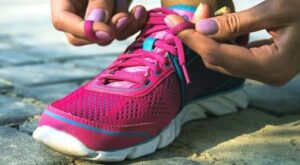

Lace-Up Shoes: Are You Wearing Them Correctly?
As winter approaches, many of us switch to lace-up shoes for added warmth and support. Unlike slip-on shoes or sandals, lace-up footwear offers stability, helping to reduce strain on the feet, knees, hips, and back. However, simply wearing lace-up shoes isn’t enough—they need to be worn properly to provide optimal support and prevent unnecessary wear and tear.
Here’s how to ensure your lace-up shoes work for you, not against you:
- Always Tie Your Shoes Properly
It might seem obvious, but many people slip on their shoes without adjusting the laces. If your shoes aren’t securely tied, your feet move within the shoe while walking, reducing stability and support. Loose shoes can lead to unnecessary strain, affecting your posture and increasing the risk of minor injuries like sprains. Taking a moment to properly tighten your laces ensures your footwear works effectively.
- Avoid Slipping Your Foot Out Without Untying
When removing your shoes, it’s important to untie them first. If you simply slide your foot out, the shoe stretches unnecessarily, reducing its ability to provide the right fit over time. A stretched-out shoe doesn’t offer the same level of support, which could gradually impact your body’s biomechanics, placing extra stress on your lower limbs.
- Never Slide Your Feet into Pre-Tied Shoes
If you’ve left your laces tied and try to force your foot in, the structure of the shoe weakens. Over time, this habit can cause your shoes to lose their snug fit and necessary support. Even if it seems like a time-saver, taking a few seconds to unlace and re-lace your shoes ensures they provide the best fit and protection.
- Lace Your Shoes Firmly but Comfortably
It’s common for people to leave their laces too loose, diminishing the support the shoe provides. Try this simple test: tie one shoe as you normally would and the other so your foot can’t move inside it. Walk around and notice the difference in stability. Your shoe should fit securely without causing discomfort, pain, or numbness.
By following these simple steps, you can reduce the risk of minor injuries and improve your lower limb biomechanics. Proper footwear choices can protect your knees and hips, ensuring better posture and long-term joint health.