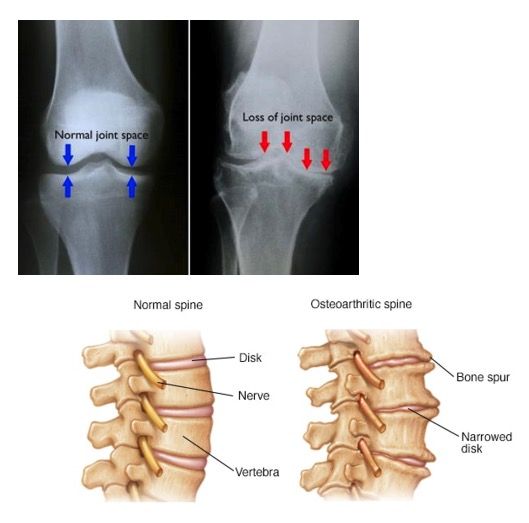

What is Tennis Elbow?
Tennis Elbow is a condition that is associated with overuse of the extensor muscles of the forearm and the tendons become inflamed where they attach to the lateral epicondyle of the elbow. Tennis Elbow is not only caused by playing tennis, but rather any activity that causes repetitive extension of the wrist: Moving the back of your hand towards the back of your forearm or rotation of the forearm can result in tennis elbow. Symptoms of Tennis Elbow include localised pain over the lateral aspect of the elbow which can radiate into the forearm and wrist. Symptoms of Tennis elbow/lateral epicondylitis generally come on gradually and progressively worsen.
Identifying the cause of tennis elbow is important. This will allow the identification of any incorrect biomechanical load that is stressing the joint and for correction of these biomechanics. This combined with adjustment of the elbow to restore correct biomechanics, the release of tight involved muscles and ice to reduce the inflammation in the area aids in the improvement of symptoms.
Golfers’ Elbow is similar to Tennis elbow however the pain and symptoms is felt on the medial epicondyle of the elbow
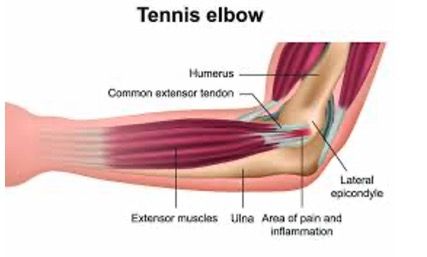 What is Patella Tracking Syndrome
Your knee has many working parts which include bones, ligaments, cartilage and meniscus. The patella sits in front of your knee and it helps give the joint structure and strength, allowing you to bend the knee. Due to the load and forces that each knee absorbs with day-to-day activity, it is important to ensure that there is good biomechanics in the knees.
The patella sits in a groove on top of the femur which is lined by cartilage allowing it to glide along the groove with movement. The patella is encapsulated by a large tendon with ligaments supporting it on the side. When the patella has altered tracking, it doesn’t move smoothly in the groove and shifts too far to the outside of the leg. It can also shift towards the inside of the leg. This can occur from several different causes including:
- Traumatic injury to the knee
- Repetitive twisting movements of the knee
- Weak thigh muscles
- Muscles, tendons or ligaments in the leg that are too tight or loose
Symptoms of patella tracking syndrome include pain at the front of the knee. This can be felt going downstairs. A feeling of popping, grinding or locking in the knee or a feeling as if your knee won’t hold your weight are associated complaints.
Treatment involves improving the biomechanics of the knee and identifying the causative factor. It may also involve strengthening the muscles in the leg.
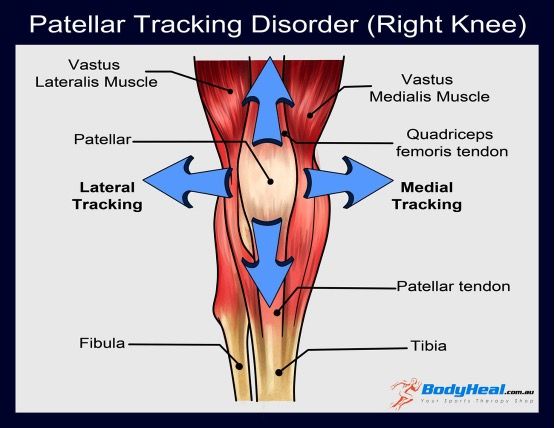
What is Bursitis?
A bursa is a sac that is filled with lubricating fluid that acts as a cushion. They are located between tendons and bones, tendons and ligaments or other areas where friction occurs. A bursa is designed to reduce the friction, rubbing and irritation in the area to allow a joint and its associated muscles and ligaments to move freely. Bursae are located in many regions of the body. Common areas where we see problems in the bursa are the shoulder and the hips.
Bursitis is when the bursa becomes inflamed. This can occur for several different reasons including trauma to the area and incorrect biomechanics in the area, causing change of load and change of movement to the muscles and joints in the area. Repetitive use and/or loading of a joint can also be involved in developing bursitis.
When a bursa becomes inflamed, it will fill with excess fluid. This can result in localised swelling, stiffness of the joint with restriction in movement and localised pain in the area. The pain can be described as a sharp pain or constant dull pain. The pain can be worse at night and is often worse with the movement of the involved joint.
The diagnosis of a bursa involves a history of the symptoms and a physical examination of the area. This may be followed by an X-ray to rule out any other condition and Ultrasound.
Treatment of a bursa involves resting the area and reducing the activity which caused the bursitis, ice to the area to reduce the inflammation and gentle mobilising exercises. As Chiropractors, we work with the biomechanics in the area to ensure that they are functioning correctly. By improving the biomechanics to the involved joint we aim to reduce the inflammation and help with the improvement of the inflamed bursa.
A lot of bursitis that is seen is due to repetitive strain to a joint that has occurred over an extended period. The treatment of bursitis takes time, combined with modification of the causative factors.
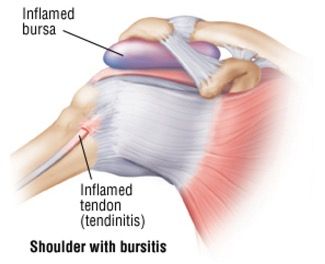
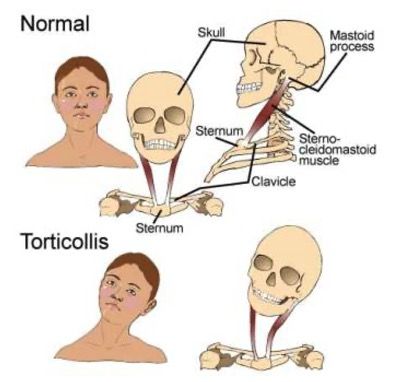
What is a Torticollis?
A common presentation for neck pain is when a patient has gone to bed feeling well and wakes up the following morning with a stiff sore neck. They often present to our office unable to turn their neck and in a significant amount of pain. Muscles in the neck will have significant spasms with this condition.
Another term for torticollis is a wry neck.
The cause of torticollis is still debated, however, there seems to be a significant link to incorrect posture, an activity that has caused strain to one side of your neck and to a cold draught blowing directly on the neck. There has also been research into there being a viral cause to torticollis. Whatever the cause is, be it one of these things or a combination – which seems to be most likely our treatment is similar for all.
When individuals have a torticollis there is always a significant amount of inflammation which is in both the joint and the surrounding soft tissues. This is best addressed by using ice on the area for ten minutes at a time. Having an adjustment as soon as possible when this occurs will help improve your range of motion and help you recover from the symptoms quicker. It is important when you have torticollis to continue to move your neck through the range of motion that you have, as this will prevent your muscles and ligaments from becoming tighter and worsening the condition.
 What are Disc Injuries?
We have 23 discs in our spines from the top of our neck down to our low back. They are located between each vertebra. These discs have three main functions:
- To act as shock absorbers;
- Allow mobility in the spine; and
- To hold the vertebrae of the spine together and make space for the nerves to exit the spinal cord.
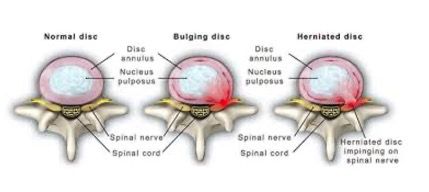
The discs work with the natural curves in our spines to reduce stress and pressure as you move. The disc has an outer fibrous tissue called the ‘annulus fibrous’. This surrounds the inner jelly like substance called the ‘nucleus pulpous’. The discs can become injured from the increased load. When this occurs, we see a bulging disc or herniated disc.
A bulging disc is where the nucleus pulpous bulges through the weakened annulus fibrous. This can put pressure on spinal nerves in the area and causes inflammation. Bulging discs respond well to Chiropractic care. Improving alignment and biomechanics in the area will help reduce the inflammation in the area.
A herniated disc is when the nucleus pulpous ruptures through the annulus fibrous from trauma or degeneration. This is more serious and causes severe pain and discomfort. A herniated disc will also often respond well to Chiropractic treatment.
When a disc bulges or herniates, it does not repair itself. The nucleus pulpous does not return to its original position. It is important to maintain correct spinal posture, keep hydrated, have good nutrition and maintain core strength through regular exercise to reduce the risk of a re-occurrence of symptoms.
 What is Osteoarthritis
Osteoarthritis is degeneration in a joint. It can occur in any moveable joint in the body, including the spine, hips, knees and fingers. Osteoarthritis occurs over a long period of time and is more likely to occur in joints that have had a previous injury. It also occurs in joints that have altered biomechanics and thereby change how the joint is loaded. As we age most people will develop osteoarthritis in joints in their bodies.
Osteoarthritis can present as slight swelling in the joint, pain with movement of the joint, and stiffness of the joint, especially after inactivity. Patients also notice a loss of flexibility and tenderness. They may also have a grating sensation when moving the joint.
On X-ray, a joint with osteoarthritis will present with loss of joint space (which is loss of cartilage in the joint) and spurs will often develop in response to the loss of joint space in an effort to stabilise the joint. It is not common for X-ray features to correlate to the symptoms a patient is experiencing.
It is important when you have osteoarthritis to keep moving, as this helps to keep joints lubricated. It is also important to maintain good posture to help distribute load through your joints equally. Regular chiropractic treatment will help with this and help to keep your joints mobilised.